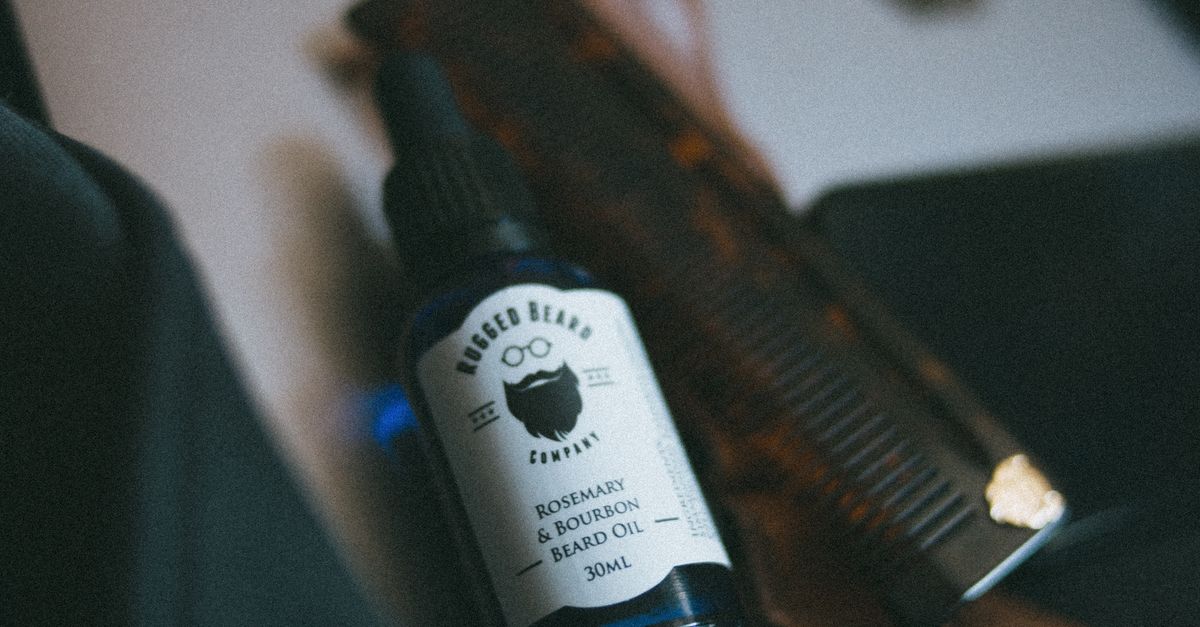
Understanding the Importance of Light Direction in Product Photography
Table Of Contents
Tips for Manipulating Light Direction
Adjusting the position of your light source can dramatically change the mood and impact of your product images. Moving the light closer or further away affects the intensity and shadows, allowing for more dynamic variations in your shots. Experimenting with angles also plays a crucial role; side lighting can enhance textures while backlighting creates a silhouette effect.
Consider the time of day when natural light is involved. The golden hours, just after sunrise or before sunset, offer softer, more flattering light. Position your subject to take advantage of this natural illumination, ensuring that the direction of the light complements the features of your product. Small movements in both the light source and product placement can yield significant results in the final image.
Tools to Control Light in Your Setup
Having the right tools to manage light is essential for creating compelling product photography. Softboxes provide a diffused light source, which helps to soften shadows and reduces the harshness of direct lighting. They come in various shapes and sizes, allowing photographers to manipulate the intensity and direction of light effectively. Additionally, reflectors can bounce light back onto the subject, enhancing brightness and detail. This technique is useful in highlighting textures and features, ultimately elevating the overall visual appeal of the product.
Incorporating adjustable lighting stands enables easy repositioning of lights during a shoot. This flexibility helps achieve the desired light angles without the need for complex setups. Another popular tool is a light meter, which assists in ensuring that exposure levels are accurate. Understanding the impact of different sources, such as continuous lights or strobes, is crucial for determining the best approach to lighting your subject. Ultimately, these tools collectively contribute to better control over the lighting environment, resulting in high-quality product images.
The Importance of White Balance
Effective product photography hinges on accurate colour representation. White balance plays a critical role in achieving this. It ensures that colours appear true to life, without unnatural tints. Mismanaged white balance can lead to products appearing in hues that distort their true nature, which can turn potential customers away. Adjusting white balance during the shoot can save time in post-processing, where images may require extensive editing to correct colour discrepancies.
Different lighting conditions can drastically affect the white balance of an image. Natural light, tungsten, and fluorescent bulbs each cast unique tones that can shift the overall hue of a photograph. Understanding these variations allows photographers to select appropriate settings on their cameras or, in post-production, to fine-tune colours accurately. Achieving the right white balance enhances the visual appeal of products, ultimately bolstering the viewer's connection to them.
Achieving Accurate Colour Representation
Accurate colour representation is crucial for showcasing products authentically in photography. Variations in lighting can lead to colour shifts, making it difficult for customers to trust the image presented. Understanding how different light sources impact colour can help photographers maintain consistency and fidelity. Natural light typically provides a more accurate colour palette, while artificial lights might require careful adjustments to achieve the desired effect.
To enhance colour accuracy, utilising tools such as grey cards can assist in determining proper white balance. Capturing a shot of the grey card helps set a reference point for colours during the editing process. Alongside these technical adjustments, an awareness of the ambient environment plays a vital role. Reflections, background colours, and even the product's finish can influence perceived colour, necessitating close attention during the shoot for the best results.
Lighting Modifiers and Their Effects
Light modifiers play a crucial role in shaping the quality and direction of illumination in product photography. Softboxes are popular choices that provide a diffused light source, reducing harsh shadows and creating a more even light spread. This makes the product appear more inviting, as details are highlighted without overwhelming contrasts. When using a softbox, positioning it correctly can enhance the overall aesthetics of the image and bring out the texture of the subject.
Reflectors and diffusers also serve distinct purposes in modifying the light. Reflectors bounce light back onto the subject, filling in shadows and adding vitality to the image. A well-placed reflector can drastically improve the depth and dimension of a photograph. On the other hand, diffusers soften the light entering the scene. This technique is beneficial for achieving a natural look, especially when dealing with direct sunlight or harsh artificial lights. Understanding how each modifier interacts with light helps photographers create the desired atmosphere for their products.
Softboxes, Reflectors, and Diffusers Explained
Softboxes are essential tools in product photography that help to control and soften the light emitted by a continuous light source or flash. They work by diffusing the light over a larger surface area, creating a more even light distribution. This softer light is particularly beneficial for product shots, as it reduces harsh shadows and brings out the details of the subject. Softboxes come in various shapes and sizes, allowing photographers to choose the best option for their specific needs. Their versatility makes them suitable for different types of products, from shiny surfaces to delicate textures.
Reflectors play a crucial role in manipulating light direction and enhancing the overall quality of the shot. By bouncing light back onto the product, they can fill in shadows and highlight details that may be lost under harsh lighting conditions. Various materials, such as white, silver, or gold, can dramatically alter the quality and warmth of the reflected light. Photographers often use reflectors alongside softboxes for a more balanced and dynamic lighting setup. Diffusers, on the other hand, are great for further softening light that may still come across as too harsh, allowing for a subtle and natural look. Together, these tools help achieve a polished and professional aesthetic in product photography.
FAQS
Why is light direction important in product photography?
Light direction is crucial in product photography as it affects the shadows, highlights, and overall appearance of the product. Proper manipulation of light can enhance features and details, making the product more appealing to potential customers.
What are some tips for manipulating light direction effectively?
Some tips for manipulating light direction include using natural light at different times of the day, positioning your light source at various angles, and experimenting with the distance of the light from the product. Additionally, using reflectors can help bounce light and soften shadows.
What tools can I use to control light in my photography setup?
Common tools to control light include softboxes, umbrellas, reflectors, and diffusers. These tools help to soften harsh light, spread it evenly, or redirect it, allowing for greater control over the light direction and quality.
How does white balance affect product photography?
White balance is essential in product photography because it ensures that colours are represented accurately. Incorrect white balance can lead to colour casts, making products appear different from their true colours, which can mislead customers.
What are lighting modifiers and how do they affect my photos?
Lighting modifiers, such as softboxes, reflectors, and diffusers, alter the quality and direction of light. Softboxes create soft, diffused light that reduces harsh shadows, reflectors bounce light onto the subject for fill, and diffusers help to soften and spread light evenly across the product.
Related Links
Mastering Natural Light for Product Photography in SydneyDIY Lighting Setups for Small Studio Spaces in Sydney
Strategies for Achieving Consistent Lighting Across Multiple Products
Using Colour Temperature to Influence Product Perception
Creative Use of Artificial Lighting in Product Shoots