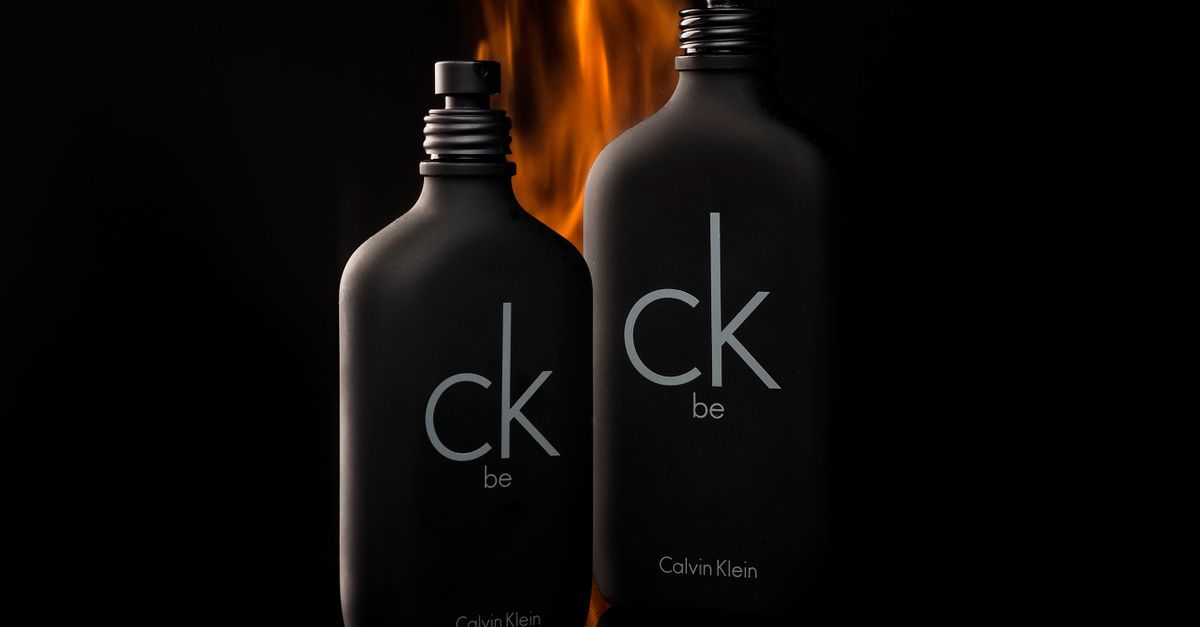
Minimalism in Backgrounds: Keeping Focus on Your Products
Table Of Contents
Photography Tips for Minimalist Backgrounds
Achieving a minimalist background in photography requires careful consideration of both the subject and the environment. One effective method is to choose a simple backdrop that does not overshadow the product. Neutral colours, such as whites, greys, or earth tones, work well to create a clean and unobtrusive scene. Ensure that the background is free from clutter, allowing the product to take centre stage. Using materials like smooth fabric or plain surfaces can contribute to an overall minimalist aesthetic, enhancing the visual appeal.
Lighting plays a crucial role in minimalist photography. Soft, diffused natural light can help to highlight the product's details without creating harsh shadows. Positioning the product near a window often provides an ideal balance, ensuring the object remains the focal point. If artificial lighting is necessary, consider using a softbox to create a gentle illumination. Experimenting with different angles and distances can also help in achieving the desired effect, allowing for a well-composed shot that emphasises simplicity and elegance.
Lighting and Composition
Effective lighting is crucial in minimalist photography, as it can enhance the product while minimising distractions. Soft, diffused light often works best to reduce harsh shadows and create a gentle atmosphere around the subject. Natural light from a window can provide an excellent source, but artificial lighting can achieve similar effects when managed properly. Experimenting with light placements can reveal how different angles highlight unique features of the product, further emphasising its quality and design.
Composition also plays a pivotal role in conveying the minimalist aesthetic. The rule of thirds can guide the arrangement of products within the frame, maintaining balance while allowing ample negative space to eliminate clutter. Consider using leading lines or props that complement the product without overshadowing it. Strategic positioning can create visual interest while retaining a clean and focused image, ultimately drawing attention directly to the product itself.
Digital Tools for Minimalist Design
The rise of digital design tools has made it easier than ever for brands to embrace a minimalist aesthetic. Simple software like Canva and Adobe Spark allows users to create clean designs efficiently. These platforms offer a range of templates that align with minimalist principles, enabling even those with limited design experience to produce professional-looking results. The minimalistic design approach benefits from the ability to adjust elements easily, ensuring the final product maintains a sleek and cohesive appearance.
For more advanced users, Adobe Photoshop and Illustrator provide robust features for crafting bespoke minimalist designs. With capabilities for layer management, precise typography, and colour control, these tools grant designers the freedom to experiment while maintaining clarity and simplicity. Online resources like Figma and Sketch also facilitate collaboration among teams, ensuring that the minimalist vision is consistently executed across all branding materials. Each tool has its strengths, making it essential for designers to select one that aligns with their specific needs and project goals.
Recommended Software and Apps
Several digital tools can streamline the process of creating minimalist designs for product backgrounds. Adobe Photoshop remains a staple for its versatility and advanced features. Users can manipulate images, adjust colors, and remove distracting elements with precision. For those seeking a more simplified approach, Canva offers an intuitive interface, enabling even beginners to design professional-looking backgrounds quickly. Its vast library of templates can inspire creativity while maintaining a minimalist aesthetic.
Figma is another notable software choice, particularly useful for collaborative projects. This platform allows teams to work on designs in real-time, ensuring seamless communication and effective feedback. Additionally, tools like Skylum Luminar can enhance photographs with AI-driven editing capabilities. These programs help maintain focus on the product while elevating the overall visual appeal through clean, minimalist backgrounds.
Case Studies of Successful Minimalist Branding
Numerous brands have effectively harnessed minimalist design to enhance their visual identity. One notable example is Apple, which utilises clean lines and uncluttered backgrounds in its advertising strategies. The strong emphasis on product visibility allows consumers to engage with the item rather than any surrounding distractions. This approach creates a sense of sophistication and modernity, aligning well with their brand philosophy.
Another compelling case is that of Muji, a retailer known for its no-frills products and packaging. The brand strips away unnecessary elements to focus on functionality and sustainability. This minimalist aesthetic not only resonates with eco-conscious consumers but also reinforces its commitment to simplicity and quality. By prioritising product clarity over extravagant designs, Muji cultivates a loyal customer base that appreciates the values behind its branding.
Learning from Leading Brands
Successful brands often adopt minimalist backgrounds to communicate their identity clearly. Companies such as Apple and Muji exemplify how simplicity can enhance product focus. Their use of clean lines and understated colours allows for the product to take centre stage. This approach creates a memorable visual experience that resonates with their target audience.
Minimalist branding encourages the audience to engage with products rather than distractions in the background. Brands like Coca-Cola and Nike showcase how stripping back unnecessary elements can strengthen brand recognition. The simplicity of their visual choices conveys messaging effectively, promoting an emotional connection with consumers. Observing these leading brands reveals that minimalism is not just a design choice but a strategic move that enhances overall brand perception.
FAQS
What is minimalism in photography?
Minimalism in photography focuses on using simple, uncluttered backgrounds to highlight the subject, ensuring that the viewer's attention remains on the product itself.
How can lighting affect minimalist backgrounds?
Proper lighting can enhance the simplicity of a minimalist background by creating depth and contrast, helping the product stand out without distractions.
What are some recommended software tools for creating minimalist designs?
Some popular software tools for creating minimalist designs include Adobe Photoshop, Canva, and Sketch, which offer features that facilitate clean and simple design layouts.
Can you provide examples of brands that use minimalist backgrounds effectively?
Brands like Apple and Muji are excellent examples of successful minimalist branding, as they use clean backgrounds to emphasise their products and create a strong visual identity.
How can I apply minimalist principles to my own product photography?
To apply minimalist principles, choose a simple background, use soft and even lighting, limit props, and focus on the product's key features to create a clean and compelling image.
Related Links
Natural versus Studio Backgrounds: Which Works Best for Your Products?How to Use Fabric Backgrounds for Different Product Types
Effective Use of Colour Gradients in Backgrounds
Using Environmental Context in Product Backdrops
Incorporating Textures to Enhance Product Backdrops
Colour Theory in Background Selection for Product Photography
Choosing the Right Background Material for Product Photography in Sydney
The Impact of Background Clutter in Product Photography