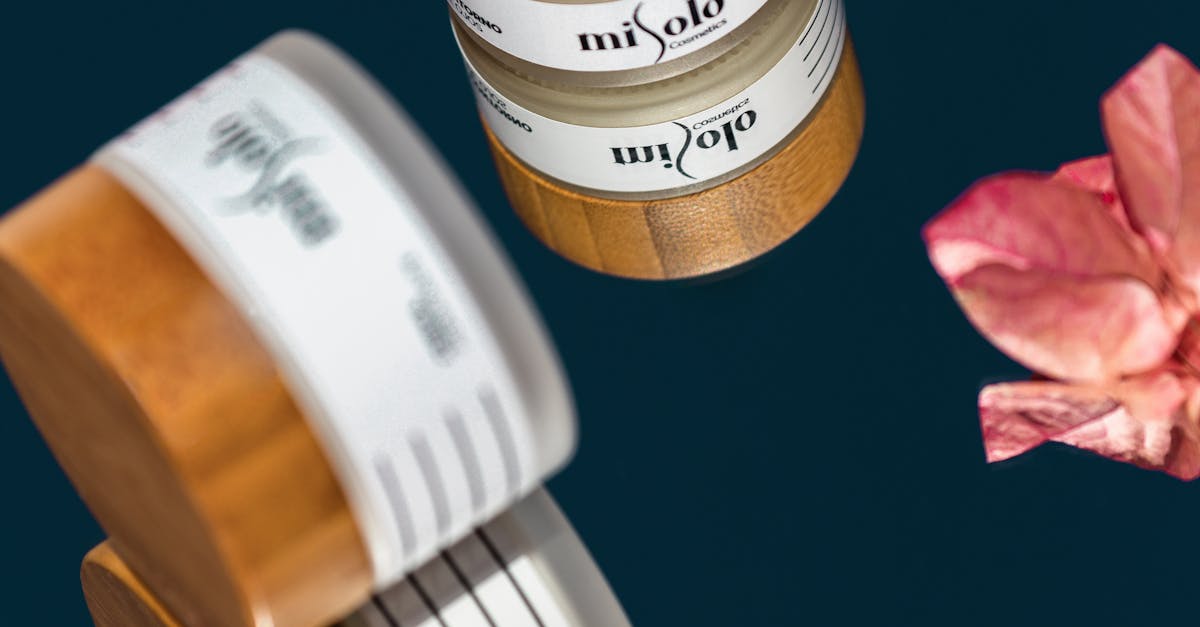
How to Use Everyday Items as Props in Professional Photography
Table Of Contents
The Impact of Colour in Prop Selection
Colour plays a pivotal role in professional photography, influencing mood and conveying emotions. Selecting the right props in visually appealing hues can enhance the overall aesthetic of an image. For instance, vibrant tones may evoke feelings of energy or excitement, while softer pastels can create a more serene atmosphere. Understanding how colours interact can significantly elevate the impact of visual storytelling.
Different colour combinations can harmonise or contrast, adding layers of meaning to photos. Complementary colours can create a striking visual balance, while analogous hues may offer a sense of cohesion. By thoughtfully integrating various colours into prop selection, photographers can guide viewers’ eyes and draw attention to key elements within the frame. This conscious approach deepens engagement with the image and enhances its narrative quality.
Choosing Complementary Colours
The selection of colours can significantly influence the mood and impact of a photograph. Incorporating complementary colours can enhance visual interest and add a layer of sophistication to your images. For instance, a warm colour such as orange pairs beautifully with a cooler colour like blue. By creating contrast, these pairs of colours can help the subject stand out, drawing the viewer’s eye and evoking emotional responses.
When selecting props, think about the overall palette of your shot. Consider the clothing worn by your subjects, the background, and any other elements in the frame. By ensuring that the props you choose reflect the complementary colour scheme, you can create harmony within the photograph. This thoughtful approach not only enhances aesthetics but also contributes to a cohesive storytelling element throughout your imagery.
Textures and Patterns in Photography Props
Incorporating various textures and patterns can significantly enhance the visual narrative of your photographs. Smooth surfaces can create a modern and sleek aesthetic, while rough textures add a sense of warmth and authenticity. Mixing materials like wood, fabric, and metal offers intriguing contrasts. These elements contribute depth and interest, engaging the viewer’s eye and inviting them to explore the image further.
Patterns can also play a crucial role in storytelling. Bold prints can create focal points, drawing attention to the subject while complementing the overall composition. Subtle patterns can provide a delicate backdrop, adding layers without overwhelming the main focus. Choosing the right combination of textures and patterns allows photographers to elevate their work, transforming ordinary scenes into captivating visual experiences.
Adding Depth to Your Images
Incorporating props with varying textures and shapes can significantly enhance the visual depth of your photographs. Textured fabrics, for instance, can create an interesting interplay between light and shadow. Layering items with different surfaces adds dimensions that encourage the viewer's eye to explore the entire frame. Using props like glass or reflective materials can also help to create unique reflections or distortions that draw attention and provide a dynamic quality to the image.
The spatial arrangement of props plays a crucial role in achieving depth. By carefully positioning items at different distances from the camera, you can create a sense of foreground, middle ground, and background. This technique makes the composition more engaging and can lead to a more immersive experience for the viewer. Ensuring that each layer interacts harmoniously will create a cohesive image that maintains the viewer's interest across its various elements.
Creative Lighting Techniques with Props
The interplay of light and shadow can dramatically transform the role of props in photography. By positioning lights strategically, photographers can highlight particular textures and features of the props. For instance, using a soft, diffused light can create a gentle, even illumination that enhances the natural qualities of a textured surface. Conversely, harsh light can cast striking shadows, adding depth and intrigue to the composition.
Experimentation is key to mastering creative lighting with props. Varying the direction, intensity, and type of light can yield surprising results, from the mood conveyed to the overall aesthetic. Natural light during different times of the day offers unique characteristics that can complement or alter the visual impact of the chosen props. Incorporating reflectors or diffusers can also provide additional control, allowing photographers to sculpt the light to achieve the desired effect.
Experimenting with Shadows and Highlights
Lighting plays a crucial role in shaping the mood and atmosphere of a photograph. By adjusting the angle and intensity of your light source, you can create striking shadows that add dimension to your composition. Using everyday items as props, the interplay between light and shadow can highlight textures and create visual interest. For instance, an intricate lace fabric may cast delicate shadows when draped over a surface, while a simpler object might produce a bold silhouette that draws the eye.
Experimentation with highlights can further enhance your images. Natural light streaming through a window can illuminate parts of your props in a way that accentuates their features, emphasising curves or patterns. Reflective surfaces, such as mirrors or metallic objects, can also create captivating highlights that interact with surrounding elements in your composition. Finding the right balance between shadows and highlights allows for a dynamic range of expression in your photography, transforming ordinary items into extraordinary focal points.
FAQS
What types of everyday items can I use as props in photography?
You can use a wide range of everyday items such as books, kitchen utensils, plants, fabrics, and even furniture. The key is to choose items that enhance your composition and convey the mood you want to achieve.
How do I select the right colours for my props?
Consider choosing colours that complement the subject and the overall theme of your shoot. Using the colour wheel can help you identify complementary colours that will enhance your images.
Can textures really make a difference in photography?
Yes, textures add depth and interest to your images. Incorporating items with varied textures—like soft fabrics, rough wood, or shiny metals—can create visually engaging photographs that draw the viewer's eye.
What are some tips for using lighting creatively with props?
Experimenting with natural and artificial light can dramatically change the mood of your photographs. Try using different angles to cast shadows or create highlights on your props, and don't be afraid to play with light intensity to achieve the desired effect.
How can I ensure my props don’t distract from the main subject?
To keep the focus on your main subject, select props that are subtle and complementary rather than overpowering. Consider using props that are slightly blurred or out of focus, or position them strategically within the frame to draw attention to your subject.
Related Links
The Role of Textures in Styling Products for a Stunning Visual ImpactCreative Approaches to Prop Selection in Product Photography
Innovative Ways to Use Natural Elements in Styled Shoots
Seasonal Styling Ideas for Product Shoots Throughout the Year
DIY Prop Ideas to Elevate Your Product Photography
Tips for Arranging Props to Enhance Product Focus